Home » Select the Right Shower Filter
Select the Right Shower Filter
- Shower
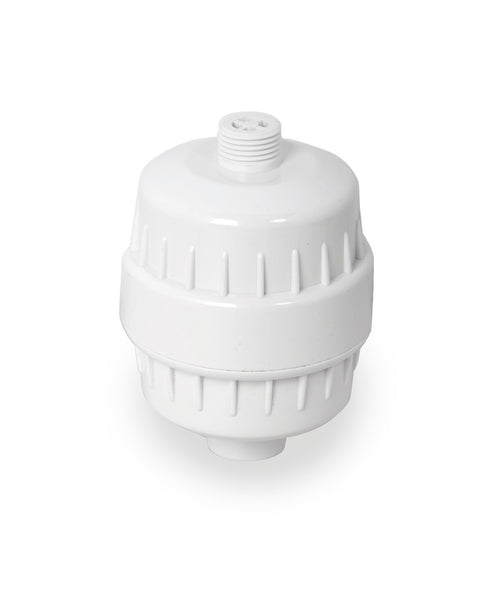
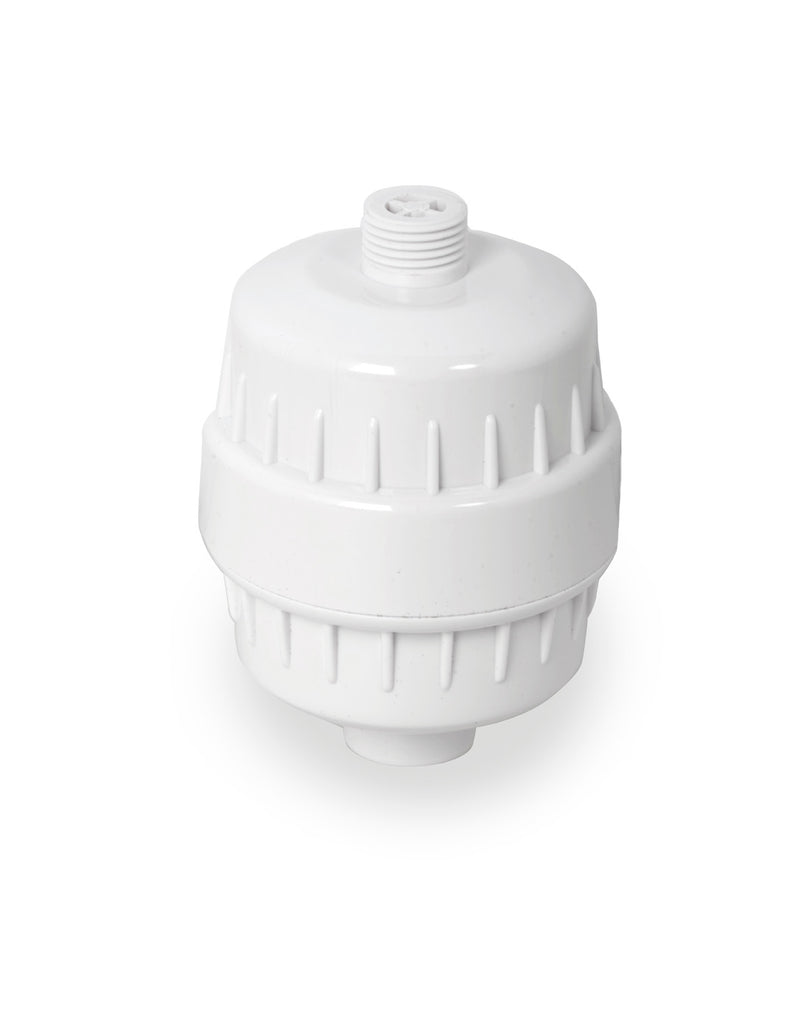
filter dechlorination requires its own unique design approach to meet
various health requirements. In less than 10 years, shower filters have
grown from a non-industry to a significant niche market. Consumers, at
first only concerned with the quality of their drinking water, are now
more aware of the importance of removing chlorine, one of nature's most
toxic elements, from their shower water, too. Yet, the similarity
between drinking water filters and shower filters stops there. Shower
filter dechlorination requires its own unique design approach to meet
the elevated temperatures, high flow rates and size limitations of
shower installations, all while providing users with an enjoyable
shower experience. With more manufacturers jumping into the market, a
better understanding of how filtration media, filter body size, flow
rates, and shower head quality factor into the design equation can
guide you toward the best product selection.
Dechlorination benefits: separating facts from fiction
- The
most important contribution shower filters make toward a healthier
lifestyle is reducing the amount of free chlorine that comes into
direct contact with your skin. Outrageous claims such as shower filters
reducing the risk of heart attack and cancer are just that, outrageous.
Any manufacturer touting unsubstantiated claims should be viewed with
suspicion.
- What benefits can users expect
from dechlorinating their shower water? The primary benefit is the
removal of free chlorine. Chlorine is an inorganic substance that
chemically bonds to the protein in your hair and skin, destroying the
natural ecological balance of the skin. A quality dechlorinating shower
filter will consistently remove 90 percent of free chlorine, resulting
in softer, more manageable hair and healthier, younger-looking skin.
For chlorine-sensitive people, particularly small children, the elderly
and sufferers of asthma or emphysema, chlorine removal also is a
safeguard against negative allergic reactions.
- KDF:
The Preferred Shower Filter Media In developing a dechlorinating shower
filter, designers are basically limited to two media types acceptable
for potable water use: granular activated carbon (GAC) and atomized
brass (KDF). Other media have been tried-the most notable being calcium
sulfate-but were not deemed acceptable for direct human contact.
- GAC
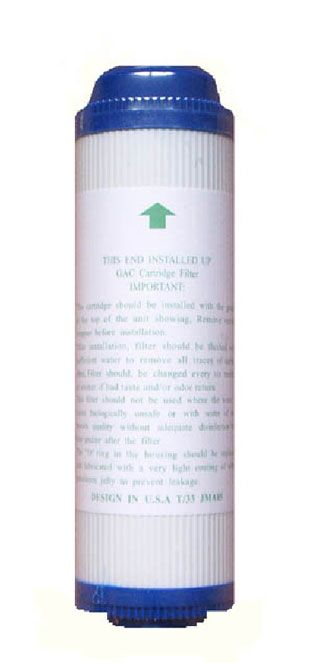
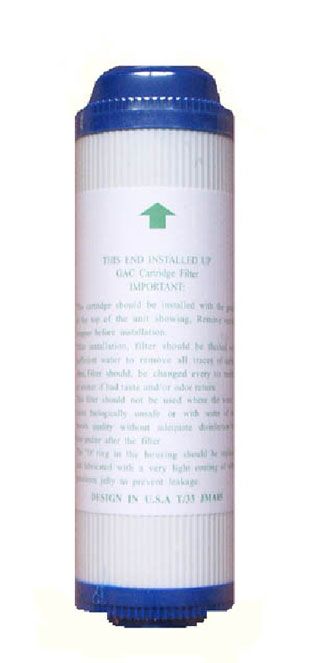
is an in-effective dechlorinating medium in shower filters. Many early
manufacturers thought its properties were directly transferrable to
shower filter applications. Not so. First, carbon is not recommended
for hot water use.
- Unlike drinking water
units which, on average, operate at ambient temperatures, shower
filters are continuously exposed to temperatures ranging from body
temperature to 105 degrees F. At these elevated temperatures, some of
the contaminants adsorbed by the carbon can slough off and re-enter the
water stream. GAC also is light in weight. Therefore, it requires a
much larger housing to achieve the same density as other filter media.
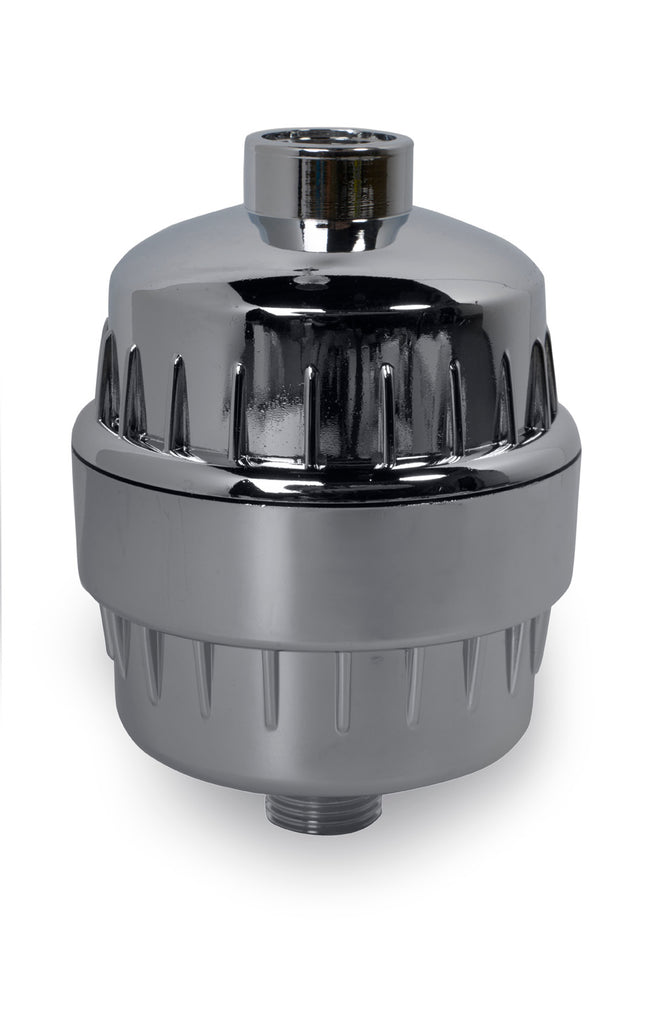
For example, 16 ounces of KDF can be housed in a filter body that is
3.2 ounces in weight and only a few inches long.
- For
GAC to achieve the same level of performance, you would need enough
media to fill a bucket. GAC is also highly adsorbent-like a cellulose
sponge-and becomes saturated in hundreds of gallons versus thousands of
gallons with KDF, requiring more frequent replacement.
- Today,
non-carbon shower filters are the norm, and KDF the preferred media
among shower filter designers. However, it is extremely effective at
free chlorine removal. KDF is also bacteriostatic and tends to reduce
or eliminate fungus and mildew build-up in the shower. KDF is composed
of 50 percent copper and 50 percent zinc. It removes free chlorine by
reversing the electrochemical process that originally separated the
chlorine from sodium in a brine solution. Here's how it works: Copper
and zinc are dissimilar metals. The tension between these metals
generates between 900 and 1100 millivolts of electricity in an aqueous
state (i.e., as water passes through the media). This is enough
electricity to generate a galvanic charge that re-establishes the
original electrolytic environment that created the free chlorine. The
chlorine is able to recombine with a metal ion, normally zinc, to form
a soluble zinc chloride which washes out of the filter and is harmless
to humans. KDF not only offers dechlorination capabilities, but it
lasts longer than carbon media. In general, a KDF shower filter will
last one and-a-half years or more for a family of three. However, it
should be noted that KDF's effectiveness is measured by its ability to
generate the electrochemical action described earlier, not in
gallonage. The cathode-anode relationship between copper and zinc
(which generates the galvanic charge) is disrupted by particulate
contaminants in the water. As a result, the less particulate matter in
the water entering the filter, the longer the KDF media will generate
adequate levels of electricity to effectively remove free chlorine. So,
a KDF shower filter in Bangor, Maine, where the particulate
contaminants in the water are low, will last a lot longer than one in
Albuquerque, New Mexico. Because buyers are more familiar with the
"gallonage" terminology, many KDF shower filter manufacturers list
gallonage as a lifespan rating. However, this should be viewed as a
warranty figure rather than a true representation of the actual life of
the product.
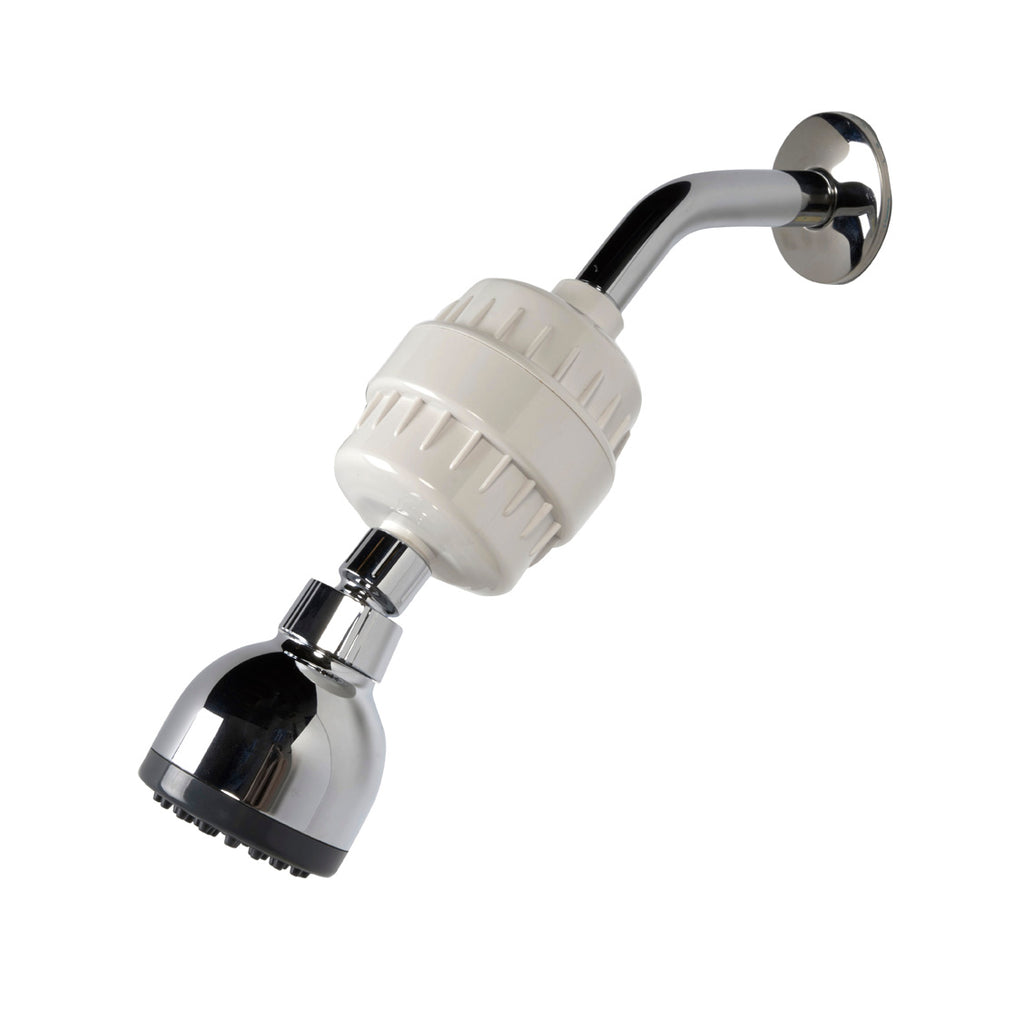
- The Role of the Shower Filter
Designer! If most of today's shower filter manufacturers use KDF,
what's the difference from one filter to the next? The design and
manufacture. There are several considerations when using KDF that need
to be factored into the final shower filter design. One of the primary
issues is contact time-the amount of time the media is in contact with
the water before it exits the shower head. This determines the amount
of media required and the most efficient housing size. The filter
designer also should know how to manage the flow rate within the
housing and through the shower head so the media has sufficient contact
time to treat the water. The longer the water is in the presence of the
media, the better the media performs. For optimum results, the flow
rate should be no more than two gallons per minute (gpm). The type of
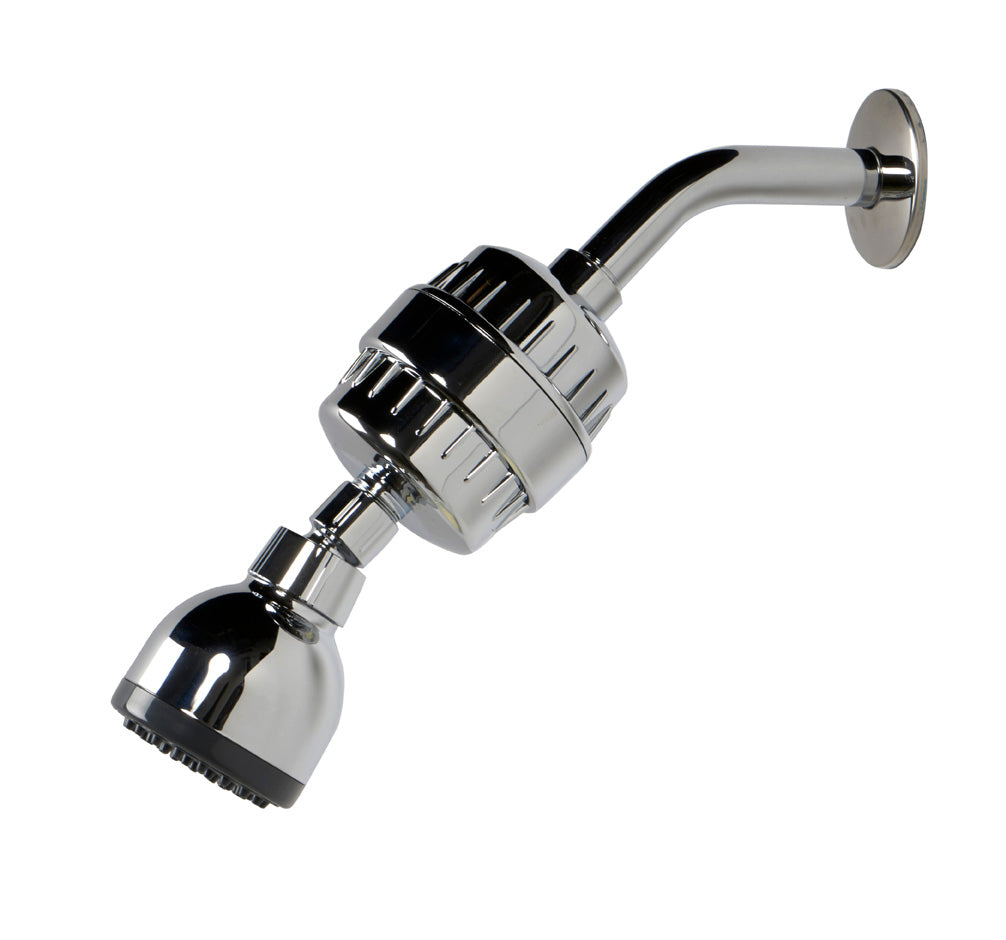
shower head sold with the filter is also an important factor. The
shower head should provide the desired amount of water reduction, while
giving the user an acceptable shower delivery. Inexpensive shower heads
are often "water guzzlers" and may deliver water in excess of 2.25 gpm,
exceeding federal regulations. To bring these heads into compliance,
some manufacturers restrict the flow (much in the way you restrict flow
in a garden hose by crimping the hose) to achieve a lower flow rate.
This should not be an acceptable alternative to good design.
Restricting flow in this manner can significantly compromise media
contact time and, more importantly, shower delivery. The best flow
results are achieved with high quality shower heads. Because shower
delivery plays such an important-but often overlooked-role in the
filtration process as well as the user's enjoyment of the shower, look
for manufacturers who use shower heads with guaranteed specifications.
You also should expect your manufacturer to offer a comprehensive line
of shower filters to suit a range of needs. For example, KDF media is
available in granular, filament or "fines" form. Your manufacturer
should be able to guide you toward which type is best for a variety of
low, medium and high pressure applications, and for domestic and
international markets. Future Trends As the market heats up through
growing public acceptance of the benefits of shower water
dechlorination, expect to see improvements in media and the shower
device itself. Enhancements to the feel of the water and improved soap
and shampoo lathering will become more important, too, as the novelty
of shower filtration wears off and the quality of the shower delivery
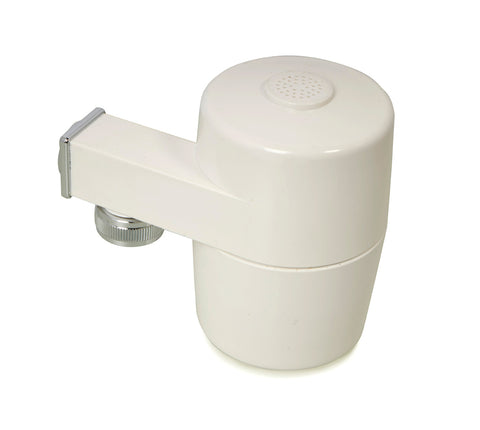
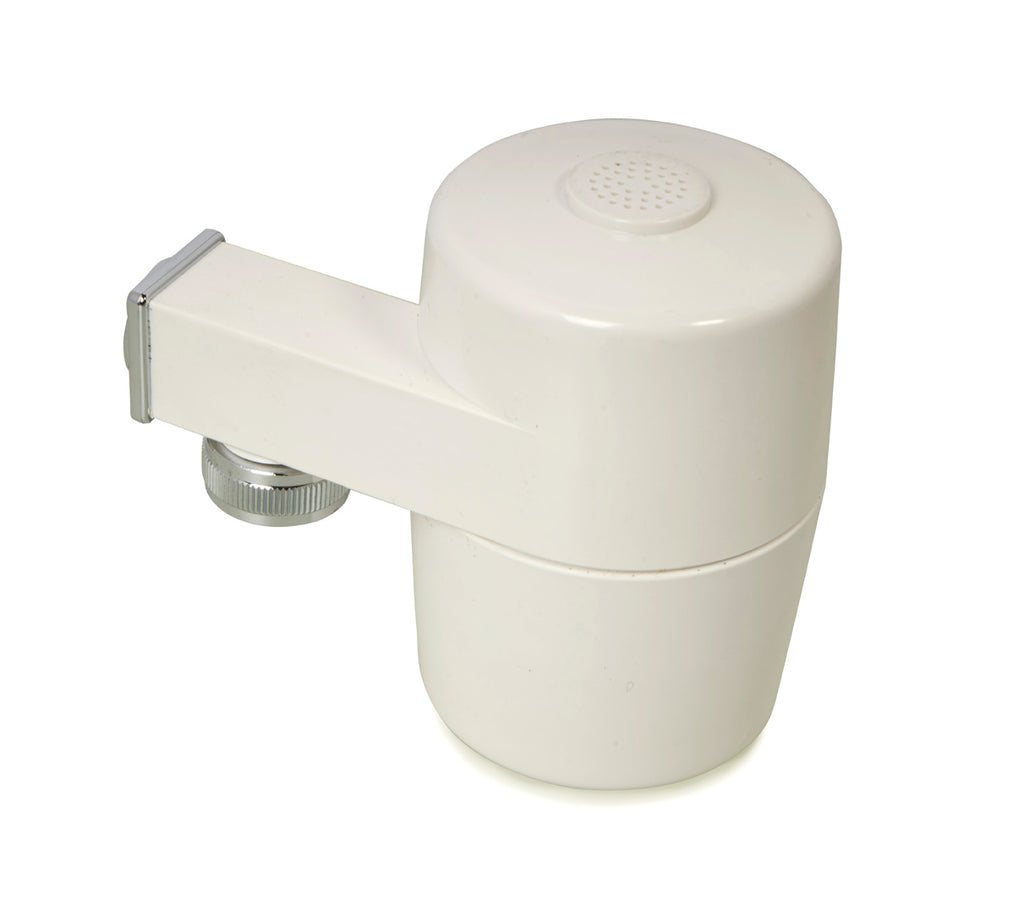
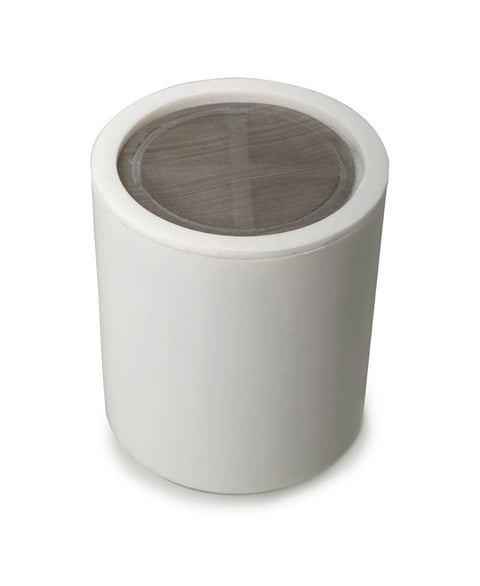
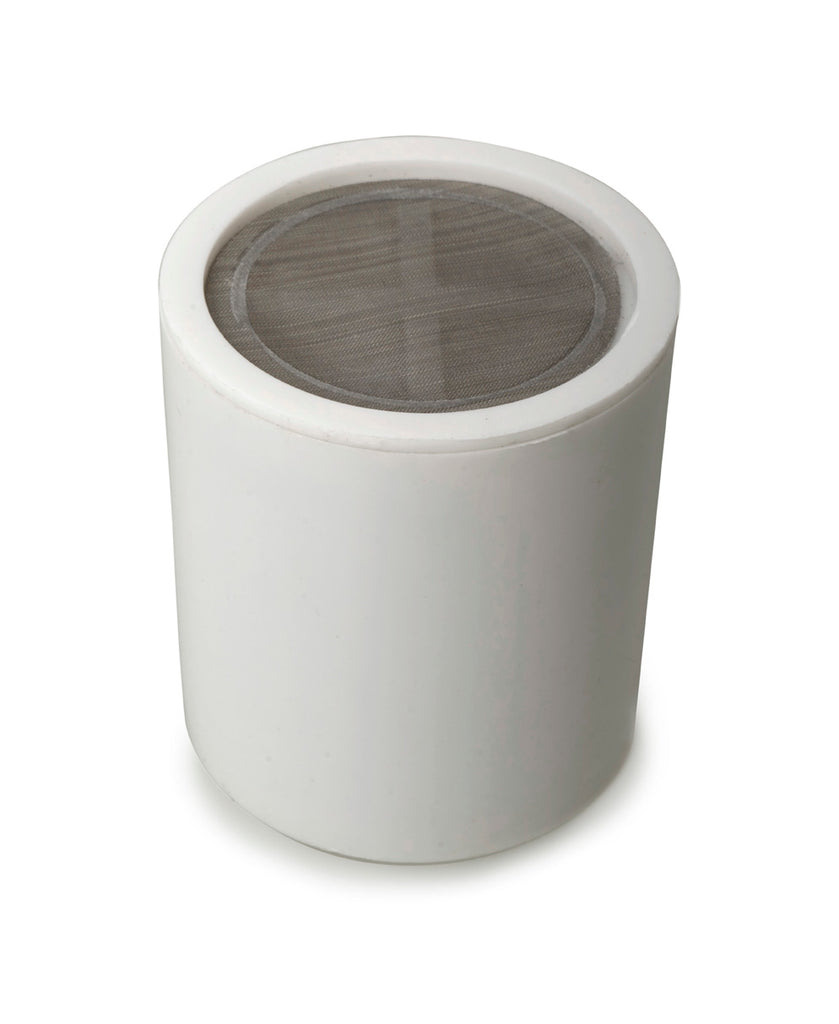
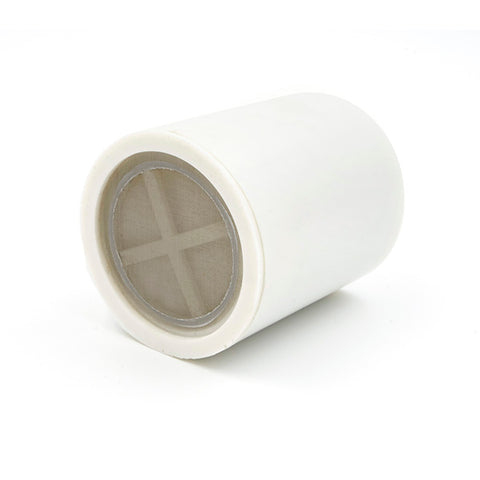
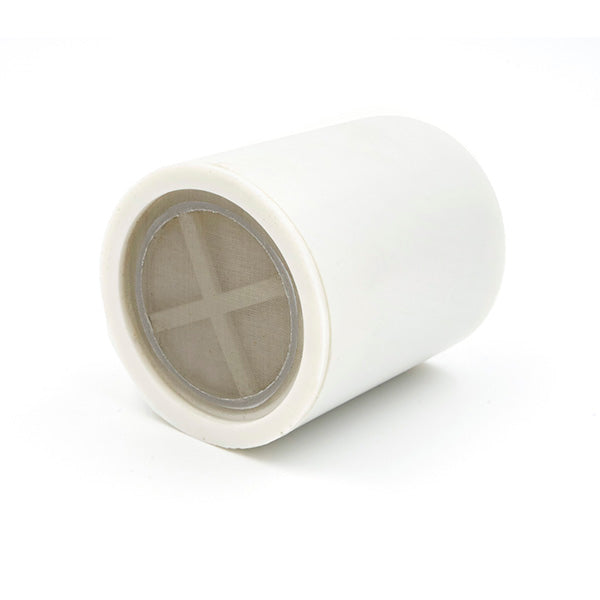
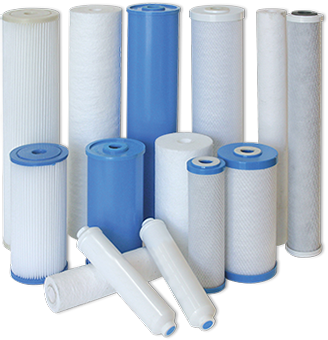
becomes a bigger factor. Replacement cartridge filter units are also on
the upswing. When considering a cartridge-type filter, be sure your
manufacturer is knowledgeable in sizing the cartridge appropriately so
that media effectiveness isn't compromised. As the industry grows and
consumers become more discerning, it will become more critical for
distributors to select manufacturers who understand the technology,
have broad product lines for import and export markets and who can
assure them of quality products that consistently meet consumer
expectations.